
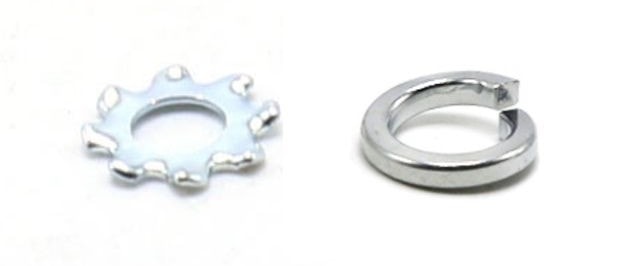
When securing bolts and nuts, lock washers and spring washers are common solutions to prevent loosening—but they work in very different ways. Choosing the wrong type can lead to mechanical failure, vibration-induced loosening, or even damage to components.
So, which one should you use? In this guide, we’ll break down the Key differences between lock washers and spring washers and how to choosethe right one for your application.
What is a Lock Washer?
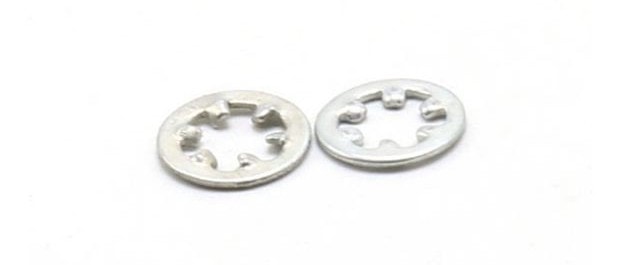
A lock washer is a type of washer used with fasteners like bolts and nuts. Its main job is to keep the fastener from loosening over time.
Lock washers work by creating tension or friction against the fastener. This keeps the nut or bolt in place, even when things vibrate or move.
There are several types of lock washers. Split lock washers are very common. They look like a ring with a split and a slight twist. When you tighten the bolt, these washers try to flatten out, pressing against both the bolt and the surface. Other types, such as conical spring washers and Belleville washers, are shaped like a cone or a shallow dish. They add spring pressure to the fastener, which helps hold it tight.
Here’s a quick comparison:
| Washer Type | Shape | Main Use |
|---|---|---|
| Split lock washer | Split ring | Prevent loosening |
| Conical spring washer | Cone-shaped | High load, spring action |
| Wave washer | Wavy ring | Light tension |
| Dome washer | Dome-shaped | Align or cushion |
| Belleville washer | Disc/spring | Heavy-duty tension |
You do not use lock washers for every connection. They work best where vibration or movement could loosen a regular nut or bolt.
What is a Spring Washer?
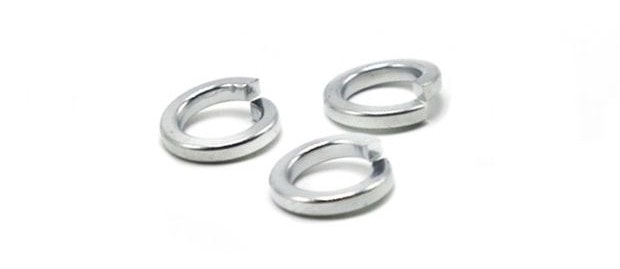
A spring washer is a type of washer designed to provide a flexible spring force when placed under a fastener such as a screw or bolt. You use spring washers to keep fasteners tight and reduce the risk of loosening caused by vibration or movement.
Spring washers come in different forms, including split lock washers (the most common type), conical spring washers (also called Belleville washers), wave washers, and dome washers. Each has a slightly different shape and function, but all help maintain the tension in a joint.
Unlike flat washers, which only spread load over a surface, spring washers add a spring-like action. This spring action pushes back against the fastener, making it less likely to loosen under stress.
You will often find spring washers in machines, vehicles, and structures where vibration or movement is common. If you are looking to keep your fasteners secure, especially in these conditions, a spring washer is a good choice.
Lock Washers & Spring Washers: What’s the Difference?
Lock washers and spring washers are both used to keep fasteners secure, but they work in different ways. Each type of washer is made for certain uses, materials, and conditions in mechanical assemblies.
Functions
Lock washers are designed to stop bolts or nuts from turning, slipping, or loosening when the assembly is exposed to vibration or movement. They use their shape or surface friction to bite into the surfaces and hold the fastener in place.
Spring washers, often called split or wave washers, are mainly used to maintain clamping force in a joint. They add tension and absorb shock or vibration, keeping the assembly tight even if the load changes.
Materials
You will find lock washers made from carbon steel, stainless steel, and sometimes brass or copper. These materials give strength and resist wear. Some lock washers are plated with zinc or other metals to add corrosion resistance.
Spring washers are usually made from spring steel because it can flex and return to its original shape. Stainless steel and phosphorus bronze are also common, especially for corrosion resistance in tough environments.
The choice of material affects performance in situations with moisture, chemicals, or high temperatures. Using the right material makes sure the washer supports both the fastener and the assembly under real-world conditions.
Applications
Lock washers are used in assemblies where vibration may cause bolts or nuts to loosen. You will see them in automotive engines, electrical panels, and heavy machinery. They are chosen when you need a secure connection that rarely loosens, even if the joint shakes or moves.
Spring washers are commonly used in applications with dynamic loads. They help keep the clamping force steady, such as in moving machinery, appliances, or electronics. Spring washers also work well where joints may compress or settle over time, making them helpful in settings that need shock absorption.
Different types of washers are used depending on whether the main risk is loosening from vibration or a loss of clamping force from changing loads. The application decides which washer is best.
Limitations
Lock washers do not always prevent loosening in high-vibration or load-shifting environments. Over time, wear or damage to the washer or surfaces may reduce their locking action. They may also dig into soft materials and cause damage.
Spring washers have limits on how much force or movement they can absorb. If the assembly faces very strong vibrations or load changes, a spring washer alone may not keep the connection secure. Repeated compression can also wear out the spring effect with time.
Both types need to be used with the right surfaces, fasteners, and amounts of force. Using the wrong washer or wrong installation can fail to prevent loosening or loss of clamping force. Proper design and material choices reduce these risks.
Choosing Between Lock Washers & Spring Washers
When selecting between lock washers and spring washers, think about the specific needs of your project. Each washer type works best in certain situations.
- Evaluate vibration and movement factors. Lock washers are designed to prevent nuts and bolts from loosening due to vibration or torque.Spring washers help spread the load and absorb shock. If your assembly must handle lots of vibration, lock washers are a safe choice. For applications with slight shifts, spring washers are preferable.
- Consider assembly and disassembly. If you need to take things apart and put them back together often, spring washers tend to be more reusable. Lock washers may deform after use, making them less suitable for repeated installations.
- Space constraints also matter. Spring washers are often better for tight spots because of their compact design. If you are working in an area with limited space, choose a spring washer.
| Washer Type | Key Uses | Common Industries | Load Distribution | Reusability | Space Needed |
|---|---|---|---|---|---|
| Lock Washer | Stop loosening | Automotive, heavy industry | Moderate | Sometimes | Regular |
| Spring Washer | Absorb shock, spread load | Aerospace, machinery | High | Often | Compact |
Frequently Asked Questions
When should you use a lock washer versus a spring washer?
Choose a spring washer when you need to maintain tension that helps absorb shock or vibration. Use lock washers to keep nuts and bolts from loosening under repeated stress or rotation. The choice depends on whether the main issue is vibration or fastener movement.
How do spring washers function differently from flat washers?
Spring washers provide tension and flexibility, allowing them to absorb movement or vibration. Flat washers spread the load of the fastener but do not prevent loosening or add tension. Use spring washers for security in moving parts, and flat washers for protecting surfaces and distributing force.
What are the various types of lock washers and their applications?
Lock washers prevent bolt loosening through friction or biting action. Common types include split washers for general use, toothed washers for soft materials, Belleville washers for heavy loads, and wave washers for compact spaces.
What are the benefits and potential drawbacks of using spring washers?
Spring washers help keep assemblies tight and absorb vibrations. They are good for applications with moving parts. On the downside, they may lose their effect if they become flattened over time, and they might not work as well in very soft materials.
How do lock nuts compare to spring washers in terms of effectiveness?
Lock nuts provide strong resistance to loosening and are often more reliable in situations with heavy vibration or movement. Spring washers offer moderate resistance and are easier to install and remove. For critical or high-vibration assemblies, lock nuts are usually a better choice.