

Spring washers remain indispensable anti-loosening fasteners in modern manufacturing, widely used in machinery, automotive, electronics, and aerospace industries. If you want to learn what spring washers are, their types, and how to select them, please continue reading this guide.
What is a Spring Washer?
Spring washers are special washers designed to prevent bolts and nuts from loosening by keeping tension in the assembly. You will often find it in assemblies where vibration or movement could loosen connections.
The most common shapes are split, wave, and conical. Each shape lets the washer act like a small spring between the nut and the surface.
Unlike flat washers, spring washers are not just flat discs. They are shaped to create tension or spring-like action when compressed. This tension helps to keep the fastener tight.
Here is a quick comparison with flat washers:
| Type | Purpose | Shape |
|---|---|---|
| Flat Washer | Load distribution only | Flat disc |
| Spring Washer | Load distribution & anti-loosening | Curved/Split |
Functions of Spring Washers:
- Prevent loosening caused by vibration
- Absorb minor shocks or movement
- Distribute load evenly under the nut or bolt
You can find spring washers in cars, machines, and household appliances. They are often made from steel or stainless steel for strength and durability.
When you need a secure, long-lasting connection, spring washers are a simple and effective solution.
Different Types of Spring Washers
Spring washers come in different shapes and serve unique roles in holding bolts and nuts in place. Each type is designed for a certain load, space, and flexibility requirement.
Split Lock Washers
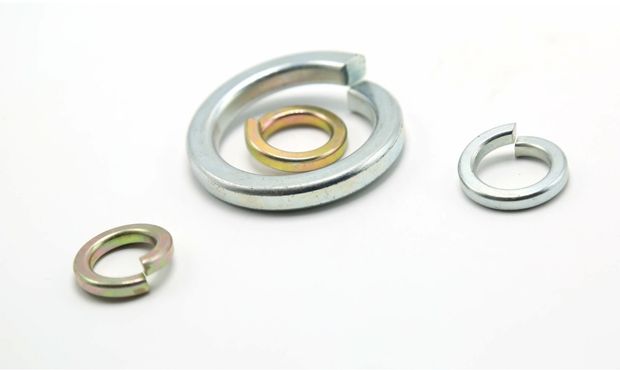
Split lock washers are also called helical spring washers. They have a split in a ring, making them look like a cut coil. When you tighten a split washer under a bolt or nut, it bites into the fastener and the surface below.
This biting action helps keep the assembly tight and resists loosening from vibration. Split lock washers are common in automotive, machinery, and household repairs. You often see them used with standard bolts where extra locking is needed.
They are best for applications where space is limited, and you want a simple solution to prevent bolts from turning loose. You should not use them with very soft materials since they can dig in and cause damage. Split lock washers are made from steel, stainless steel, or other metals.
Here’s a quick list of features:
- Shape: Helical/cut ring
- Main use: Preventing loosening
- Typical materials: Steel, stainless steel
- Good for: Automotive, machinery, general repairs
Wave Washers
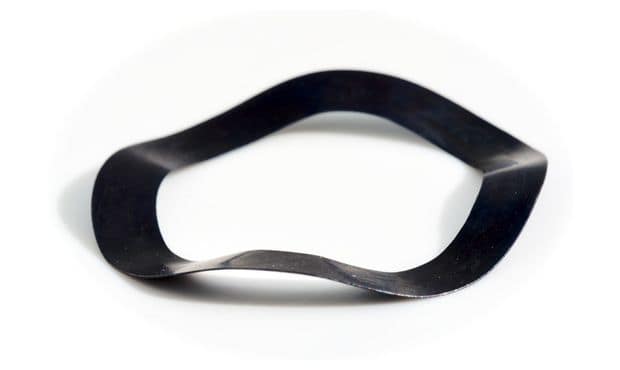
Wave washers have a unique, wavy shape. When compressed, they create a flexible spring force that absorbs shock and compensates for expansion or contraction. This makes wave washers suitable for light loads and tight spaces.
You often use wave washers inside small motors, electrical equipment, or lightweight assemblies. Their multiple waves allow a smooth and controlled force without harsh contact. Wave washers don’t lock bolts in place as firmly as split lock types, but they provide constant pressure.
They are most effective in applications where you need to make up for slight changes in fit or size, such as thermal expansion. They are typically made from spring steel, phosphor bronze, or stainless steel.
Main points:
- Wavy design adds flexibility
- Works for moderate forces
- Best in electrical, light industrial use
- Prevents rattling, keeps parts snug
Belleville Washers
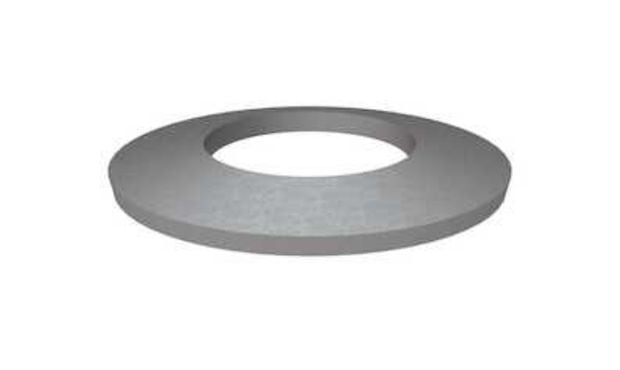
Belleville washers are conical, disc-shaped washers. When loaded, they flatten, storing energy and exerting a strong spring force. The cone shape allows adjustment for heavy or variable loads. You often find Belleville washers in heavy machinery, valves, or assemblies that need precise tension.
They are popular for reducing bolt loosening due to vibration and for keeping clamped joints tight. Belleville washers can be stacked in series or parallel to change their total spring force and travel distance.
Some common materials are carbon steel, stainless steel, and special alloys for extra strength or corrosion resistance.
Quick facts:
| Feature | Belleville Washer |
|---|---|
| Shape | Conical disc |
| Load type | High, variable |
| Applications | Heavy machinery, valves |
| Material | Steel, alloys |
| Can be stacked | Yes |
Curved Spring Washers
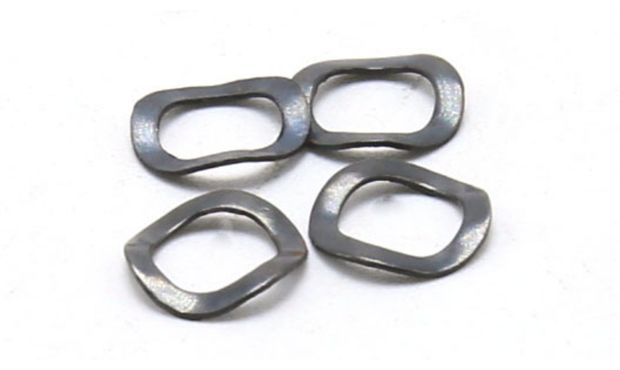
Curved spring washers, also called crescent washers, are slightly curved but do not have the waves found in wave washers. Their curved shape helps distribute pressure evenly and offers a gentle spring force even after repeated use.
You would choose curved spring washers when a low to moderate, but steady, tension is needed without damaging the joining surfaces. They help compensate for small misalignments or vibrations.
Curved spring washers are common in electronics, light machinery, and delicate assemblies. They are often made from stainless steel or bronze for corrosion resistance.
- Gentle, steady force
- Prevents over-tightening
- Good for electronics and light equipment
- Available in various sizes
Finger Spring Washers
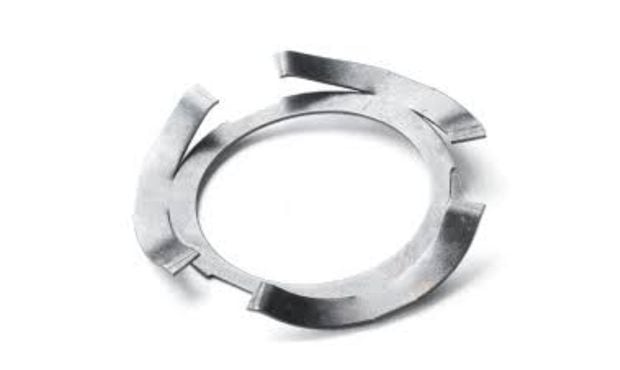
Finger spring washers, sometimes called multi-finger or slotted washers, consist of a ring with several outward-bending “fingers.” Each finger acts as a flexible spring.
These washers are ideal for applications needing noise reduction, smooth rotation, or even load distribution. Motor assemblies, bearings, and cases where more damping or cushioning is needed use finger spring washers.
The fingers help avoid scratching or damaging surfaces and can handle small movements without letting the joints get loose. Materials are usually spring steel or stainless steel, chosen for flexibility and durability.
Notable features:
- Multiple “fingers” for flexible support
- Reduces wear and noise
- Evenly spreads load
- Useful in motors, gears, and delicate parts
Selecting the Right Spring Washer
Choosing the correct spring washer is important for your project’s safety and function. You should look at a few key factors before making a decision.
1. Load requirements:
Consider the amount of force or pressure the washer will need to handle. Some washers, like Belleville washers, are built for high loads. Others, like wave washers, are for lighter, flexible support.
2. Material:
Spring washers are made from different materials such as steel, stainless steel, or brass. Each material affects its corrosion resistance and strength. Match the material to your environment—stainless steel is better for wet or corrosive places.
3. Application type:
Different machines and assemblies might need a specific type of spring washer:
- Belleville washers: High load, small space
- Wave washers: Flexible, good for noise reduction
- Split lock washers: Prevent nuts and bolts from loosening
4. Size and fit:
Double-check the outer and inner diameter to ensure a proper fit with your bolt or nut. A washer that is too small or too large can fail to work properly.
5. Industry standards:
Follow any needed industry standards for your application. Meeting standards can improve reliability and safety.
Frequently Asked Questions
What are the differences between spring washers and lock washers?
Spring washers provide tension that helps keep a fastener tight under load and movement. Lock washers are a type of spring washer designed to prevent nuts and bolts from turning, slipping, or loosening due to vibration or torque.
Some spring washers, like split lock washers, combine both spring action and locking function. The main difference is that lock washers always serve to stop loosening, while spring washers can manage load and cushion forces too.
When should a conical spring washer be used?
Use a conical spring washer, also called a Belleville washer, when you need to support heavy loads or allow for thermal expansion. This washer can provide high force in a small area, which is common in bolts that are subject to high vibration or thermal changes.
Conical washers are common in automotive suspensions, heavy machinery, and some electrical assemblies.
What defines a Type B spring washer?
A Type B spring washer is flat and rectangular in shape. It is designed to provide a balanced load and reduce vibration. Its shape helps distribute pressure evenly and is less likely to cut into surfaces compared to other spring washers.
This type is usually specified in standards for specific applications.
How does a wave spring washer function?
A wave spring washer flexes up and down under pressure. Its shape allows it to take up small amounts of slack or movement in bolted joints.
This type of washer is good for providing a consistent, gentle force in applications with limited space or where light loads are common.
What are the applications and advantages of using spring washers?
Spring washers are widely used in automotive, aerospace, electronics, and construction. They help prevent fasteners from loosening due to movement, vibration, or changes in temperature.
You benefit from more reliable connections, less maintenance, and better performance in mechanical assemblies when you use spring washers.