
Composite decking clips are small fasteners that hold composite deck boards in place without visible screws on the surface. These hidden clips create a smooth, safe, and attractive decking surface by fastening boards from the sides instead of the top.
These fasteners comes with many benefits, and they not only keep the look seamless but also help prevent snags and injuries that can come from raised fasteners. Learning about the different types of clips and how they work can help anyone create a long-lasting, beautiful deck that stands up to weather and wear.
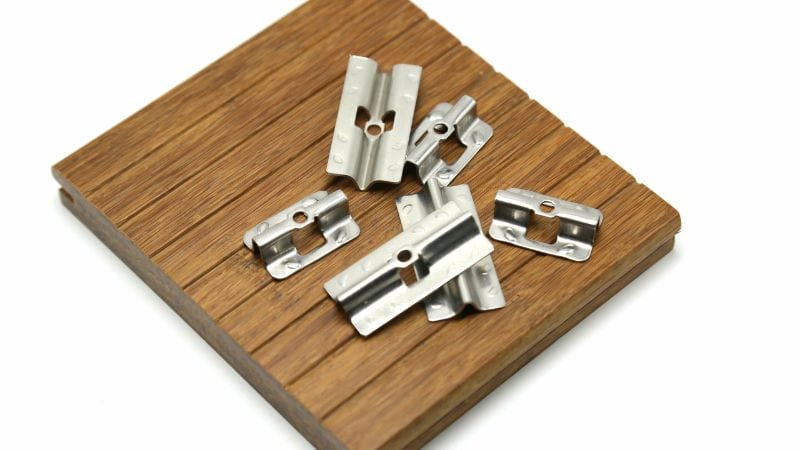
What Are Composite Decking Clips?
Composite decking clips are specialized fasteners that secure composite deck boards to the frame below. They enable a neat, screw-free walking surface and are designed to support the unique needs of composite boards, such as expansion and contraction.
Function of Deck Clips
Deck clips hold deck boards in place without visible screws on the deck surface. Most composite decking systems feature grooves along the board edges. Clips fit into these grooves and attach to the underlying joist, locking each board securely.
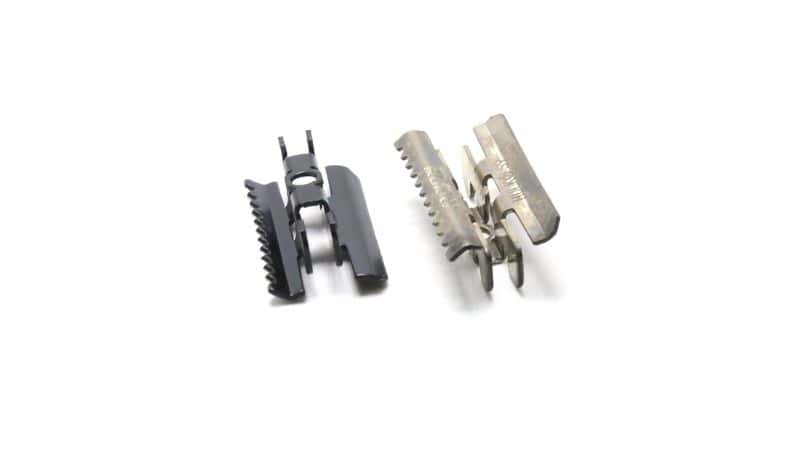
Clips are usually made from stainless steel or durable plastic. This helps resist rust and weather damage. Many systems use two types of clips: locking clips (secure the board completely) and expansion clips (allow for movement due to temperature changes). This prevents warping.
The spacing provided by the clips, usually about 1/4″, lets water drain and air circulate. This helps deck boards dry faster and last longer. These features make deck clips essential for a safe, long-lasting, and visually appealing deck.
Role in Composite Decking Systems
In composite decking, clips are a key part of the system. They allow for a “hidden fastener” look, meaning no visible screws or nails are left on the surface. This gives composite decks a smooth, modern finish that looks more like real wood.
Some products use starting clips at the edge and a mix of locking and expansion clips throughout the rest of the installation. This mixed approach balances firm attachment with flexibility for board movement.
By using the right clips, installers achieve a cleaner look and help ensure the deck stays stable across all seasons.
Types of Composite Decking Clips
Composite decking clips come in several types, each serving a specific purpose in keeping decking boards secure and neatly spaced. The right clip helps achieve a smooth, gap-free surface and keeps the deck stable over time.
Hidden Fasteners Explained
Hidden fasteners are designed to secure decking boards without visible screws on the surface. These clips fit into grooves along the sides of composite boards and are fastened into the joist below. This method creates a clean and uniform look, often preferred for its visual appeal.
Benefits of hidden fasteners:
- No exposed screws or nails
- Even board spacing
- Reduced risk of snagging or splintering
Most hidden deck fasteners are made from stainless steel or durable plastic. For projects seeking a high-end finish, hidden fasteners remain a popular option.
Starter Clips Overview
Starter clips are used to anchor the very first row of composite decking boards. These clips are U-shaped and are fixed to the outer joist or the edge where the deck begins. Their primary role is to keep the first board secure, straight, and flush against the edge.
Features of starter clips:
- Made from stainless steel for strength and rust-resistance
- Discreet placement under the deck board edge
- Needed at each joist where the board starts
Usually, a starter clip is placed every 250–300mm along the first and last boards. For corners and board changes, additional clips may be needed to maintain alignment. These clips work hand in hand with hidden fasteners to keep the entire deck rigid and free of visible fasteners on top.
Locking and Expansion Clips
Locking clips, also called expansion clips, help manage the natural movement of composite boards. Since composite decking can expand and contract with temperature changes, these clips are built to allow small shifts without letting boards loosen or warp.
Key points about locking and expansion clips:
- Allow boards to move slightly
- Help prevent buckling or gaps widening
- Designed to maintain correct board spacing over time
Locking clips can differ in thickness and material. Some types, such as the “S Type Clip,” offer a slim profile and a minimal 3mm gap. Others provide larger spacing to suit different deck layouts. These clips are essential for long-lasting, high-traffic decks where temperature or humidity changes are common.
A mix of starter, hidden, and expansion clips is usually recommended for most composite deck installations to ensure strength, appearance, and durability.
Installation Process for Deck Clips
Proper installation of composite decking clips ensures a smooth-looking deck surface with no visible screws. Following careful steps from frame prep to finishing the boards helps prevent common problems and keeps the deck stable.
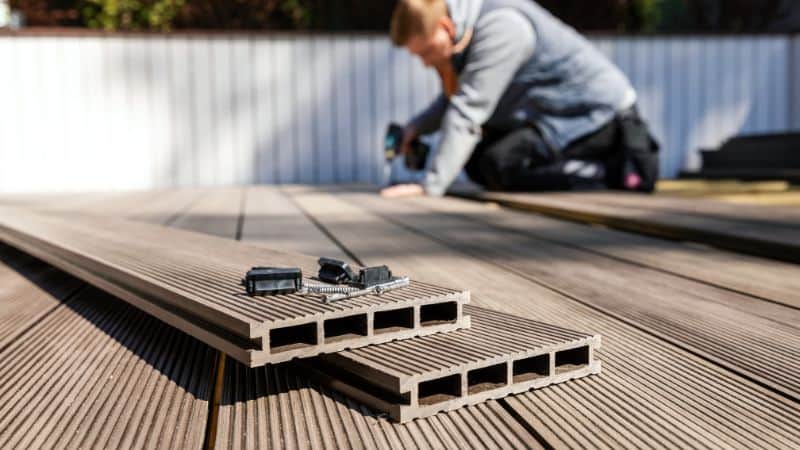
Preparing the Deck Structure
Start by checking that all joists are spaced correctly. Most composite decking needs joists set 16 inches apart from center to center. For a sturdier deck, space them 12 inches apart.
It’s important that the joists are levelled. Workers can use a long, straight board and a level to check this. Any uneven joists may need to be shimmed or sanded down.
Blocking should be installed between joists every four to six feet. This will reduce side-to-side movement and twisting. Use exterior-grade deck screws to fasten the blocking.
Inspect the entire frame for stability. Make sure all connections are secure and there’s no movement when walking on the joists. Any weak spots should be fixed before starting the decking boards.
Installing Starter Clips
Starter clips are used to anchor the first board. These are small metal or plastic clips designed for the edge of the deck that meets a house or rim joist.
Place starter clips at each joist along the edge, keeping them in a straight line. He or she should use a drill and deck screws to secure each clip in place.
Once the starter clips are installed, slide the first composite deck board into the clips’ grooves. This will keep the board straight and provide a solid starting point.
Starter clips help prevent the board from moving during temperature changes. The first board must be perfectly straight, as every other board will line up against it.
Using Hidden Fasteners for Main Boards
Hidden fasteners, or hidden deck clips, attach the rest of the boards without the need for screws on the top surface. Place a hidden fastener clip into the side groove of the first deck board at every joist.
Slide the next board into place, pushing it tightly against the clips. A board-locking tool can help keep gaps even and boards snug. Each clip should be secured with a drill and screw, but don’t overtighten.
Continue laying boards and attaching fasteners across the deck. Where two board ends meet on a joist (called a butt joint), place double joists and use two clips per board end.
Check the alignment regularly using a tape measure. The deck ends can be trimmed straight after all boards are installed to get a clean finish. Hidden fasteners keep the surface screw-free and safe for bare feet.
Frequently Asked Questions
How do you install fiberon edge clips for composite decking?
Fiberon edge clips are inserted into the grooves along the edges of the deck boards. Once the clips are placed, the boards are secured to the joists by screwing through the clip and into the support below.
Each board is then slid into position, and the process is repeated for the next board. Follow manufacturer instructions for correct spacing and alignment.
Are there deck clips available that do not require a grooved deck board?
Some deck clips can be used with non-grooved deck boards, but extra steps may be needed. For example, certain systems allow installers to cut grooves into boards using a router before attaching clips.
Always check product instructions to ensure compatibility with square-edge boards and any special installation requirements.
Where can I find deck fasteners suitable for wooden decking?
Deck fasteners made specifically for wood, including hidden fastener systems, are available at most hardware stores and manufacturers like Oukailuo.
It’s important to select fasteners that match the wood type and project needs to ensure a secure and long-lasting installation.