
There are many types of anchors for fastening, and each of them has its own strengths. When choosing anchors, many builders and homeowners compare sleeve anchors and wedge anchors when working with brick, block, and, of course, concrete.
The goal of our guide is to explain the main differences between sleeve anchors and wedge anchors, how each one works, and when to use them, and help you learn how to choose the right fastener for solid, long-lasting results.
Sleeve Anchor vs Wedge Anchor: Core Differences
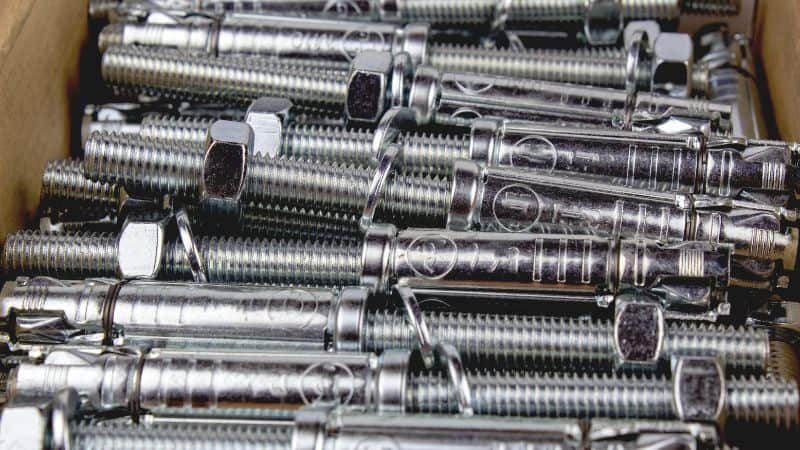
Expansion Mechanism Comparison
A sleeve anchor expands along its full body length. When tightened, the tapered end pulls into the sleeve, forcing it outward to grip the hole walls. This creates friction along a larger surface area, giving a secure but flexible hold in various materials.
A wedge anchor expands only at the base. The cone-shaped end of the bolt draws into a small metal clip, wedging firmly into the concrete. This type relies more on mechanical interlock than friction, creating a tight bond in solid concrete.
This difference gives sleeve anchors a gentler grip, ideal for materials that may crack under high stress. Wedge anchors, by contrast, offer strong, precise expansion but require dense concrete to prevent slippage or breakage.
Base Material Suitability
Sleeve anchors work in concrete, brick, or block. Their full-length sleeve adapts to uneven or softer materials, distributing pressure more evenly and minimizing damage. They are often used for handrails, pipe supports, and light structural attachments.
Wedge anchors should only be used in solid concrete. Their concentrated expansion force can crack brick or block. Since they depend on solid material density, they provide a high-strength hold but with less versatility in base material selection.
Installers often choose sleeve anchors for masonry walls or lighter indoor projects and wedge anchors for structural foundations or heavy framing where only solid concrete is present.
Holding Power and Anchor Strength
Wedge anchors provide the highest anchor strength due to their rigid steel design and deep embedment in concrete. They are suited for heavy-duty loads like machinery bases and large frameworks. The the resistance to both tension and shear forces grows as embedment depth increases.
Sleeve anchors, while strong, deliver moderate holding power compared to wedges. They are better for medium-duty applications where load demands are lighter and flexibility matters more than maximum strength.
How Sleeve Anchors Work
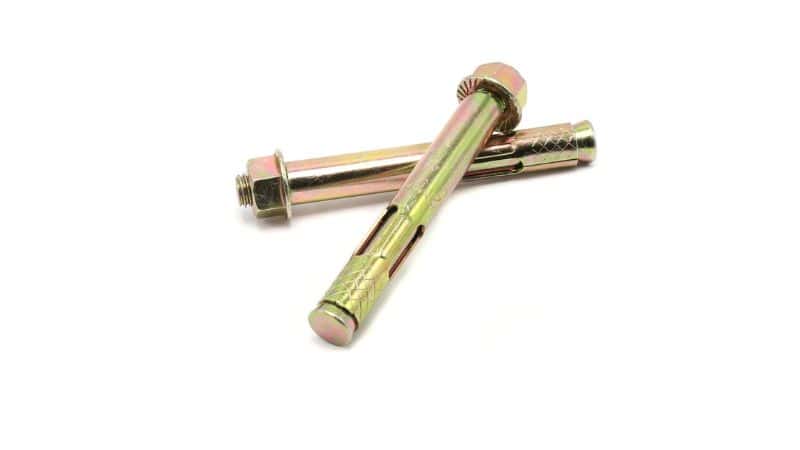
Design and Components
A sleeve anchor consists of four main parts: a threaded bolt, an expansion sleeve, a nut, and a washer. The threaded bolt runs through the center of the sleeve and connects to the nut on top. Turning the nut pulls the bolt upward, which activates the expansion mechanism.
The sleeve itself usually covers the bolt’s shank and partially the tip. It is typically made of steel, stainless steel, or zinc-plated material to resist corrosion and provide consistent grip strength. Sleeve anchors come in various diameters and lengths to match common masonry thicknesses.
This design allows them to work effectively in solid concrete and materials with voids, such as brick or block. Because the sleeve contacts a large surface area, the load distributes more evenly, reducing stress on the base material. The pre-assembled design also shortens installation time, making them efficient for medium-duty fastening tasks.
Grip and Expansion Process
A sleeve anchor holds in place by friction and compression. When the installer tightens the nut, the threaded bolt moves upward, drawing the tapered end into the lower part of the sleeve. This causes the sleeve to expand outward and press firmly against the walls of the drilled hole.
As pressure increases, the anchor’s grip strengthens. The expansion creates a mechanical lock that resists pull-out and vibration. In hollow or uneven materials, this expansion is especially valuable because it allows a reliable hold even when the contact is not fully solid.
Key performance factors include:
- Hole depth and diameter must match anchor size.
- Proper torque ensures full expansion without damaging the base material.
- Clean holes help maintain consistent friction and tension.
This controlled expansion process allows sleeve anchors to deliver dependable holding power in a wide range of masonry conditions.
How Wedge Anchors Work
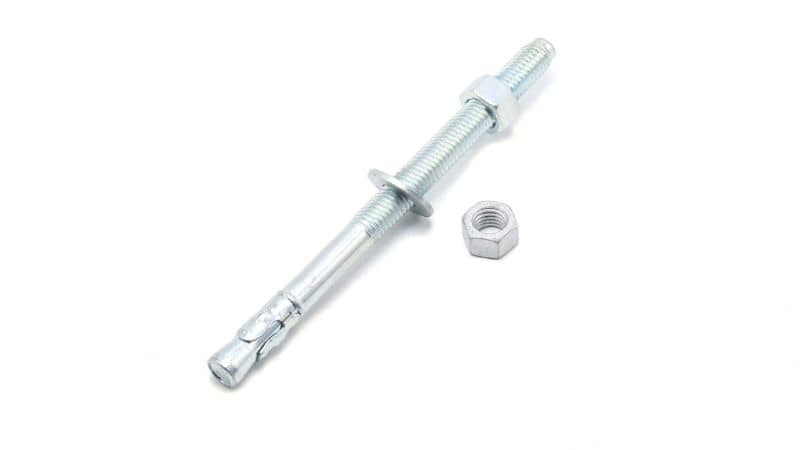
Design Features
A wedge anchor includes a steel rod, an expansion clip near its tip, and a nut and washer at the top. The rod is fully threaded so the nut can be tightened to draw the assembly snug against the surface. Most wedge anchors are made from carbon steel or stainless steel, chosen for strength and corrosion resistance.
Wedge anchors must be installed in solid concrete; they do not perform well in brick, block, or other hollow materials. The hole in the concrete should match the anchor’s diameter to ensure firm contact. The embedded depth affects holding strength—the deeper the embedment, the higher the load capacity.
Common diameters range from 1/4 inch to 3/4 inch, with varying lengths for different embedments. The expansion clip is permanently fixed to the bolt, unlike other anchors where the sleeve may slide freely. This ensures consistent expansion when torque is applied.
Expansion and Compression Action
When a wedge anchor is installed, the expansion clip at the base engages the sides of the drilled hole. Tightening the nut pulls the threaded bolt upward, forcing the clip to expand against the concrete wall. This creates high friction and compression pressure that prevents movement.
The mechanical interlock formed by the clip and concrete resists vibration, tension, and shear forces. Proper torque is critical; over-tightening can crack the concrete, while under-tightening can weaken the hold.
Many installers use a torque wrench to reach the manufacturer’s recommended specification. Once set, the wedge anchor provides a durable, semi-permanent connection that cannot be removed without damaging the concrete itself.
How to Choose: Applications and Selection Guidelines
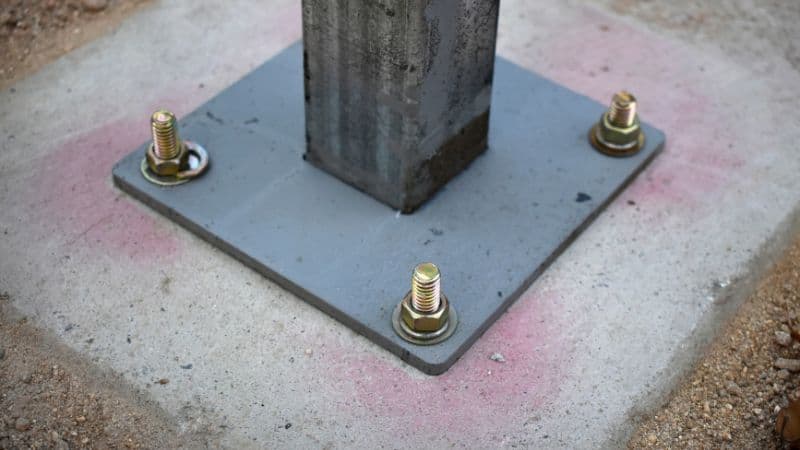
Base Material Assessment
This is the most critical factor and immediately narrows your choice.
- Choose a Wedge Anchor if you are working exclusively with solid, high-quality concrete. Its concentrated expansion at the base requires a dense material to grip and can crack or fail in hollow or softer masonry.
- Choose a Sleeve Anchor if you are fastening into brick, block, or materials with voids or uncertain density. Its full-length expansion distributes pressure more evenly, providing a secure hold without damaging the base material.
Load and Structural Requirements
Match the anchor’s strength to the demand of the application.
- Choose a Wedge Anchor for heavy, permanent, and load-bearing applications. It provides the highest tensile and shear strength, making it ideal for securing structural steel, machinery bases, seismic bracing, and heavy-duty racking directly into concrete.
- Choose a Sleeve Anchor for medium-duty, versatile fastening. It is perfectly suited for applications like handrails, pipe supports, electrical boxes, light framing, and shelving units where high versatility is needed but extreme load capacity is not.
Environmental Factors
Environmental exposure dictates the necessary material and finish for long-term durability.
- For Outdoor, Wet, or Corrosive Environments: Select stainless steel (especially 316 grade) or hot-dipped galvanized anchors of either type. Wedge anchors are commonly chosen here for permanent exterior installations like guardrails, fences, and signage. Stainless steel sleeve anchors can also be used for outdoor fixtures.
- For Dry, Indoor Environments: Zinc-plated sleeve or wedge anchors are cost-effective and sufficient. Sleeve anchors are frequently used here for their ease of installation in interior masonry walls.
Installation, Cost, and Practicality
Finally, weigh practical constraints.
- Installation: Sleeve anchors are generally quicker to install and allow for more tolerance in hole depth. Wedge anchors require precise drilling and often a torque wrench for proper setting, making installation more exacting.
- Cost & Availability: Sleeve anchors are typically more affordable and widely available in common sizes at hardware stores. Wedge anchors, especially in specialized finishes, may have a higher upfront cost, which is justified for critical, high-strength applications.
- Removability/Adjustment: Sleeve anchors can be removed with some effort, leaving a reusable hole. A wedge anchor is considered permanent; removal usually requires damaging the surrounding concrete.
Summary Table for Quick Reference
| Decision Factor | Sleeve Anchor | Wedge Anchor |
|---|---|---|
| Best Material | Concrete, Brick, Block | Solid Concrete Only |
| Load Capacity | Medium-Duty | Heavy-Duty / Structural |
| Expansion | Full-length, friction-based | At the base, mechanical wedge |
| Ideal Use Case | Shelving, handrails, fixtures in mixed masonry | Structural beams, machinery, heavy racking in concrete |
| Environment | Indoor (zinc-plated) or Outdoor (stainless) | Often outdoor/industrial (stainless/galvanized) |
| Installation | Simpler, more forgiving | Requires precision and proper torque |
Quality Anchors at Oukailuo
By evaluating your project against these guidelines above, you can confidently select the anchor that ensures a secure, lasting fixture. Now it’s time to move onto the next step of your project: procuring anchors from a credible fastener manufacturer.
Choose Oukailuo and experience 20+ years of expertise in fastener production. With 150 employees and 15000 sqm of factory area, we stand as a strategic partner of domestic and foreign enterprises and institutes, certified by multiple quality system including ISO, SGS, and IATF. Send us a quote today!